
Primož Bizjak
Negativ
29. 10.–27. 11. 2026
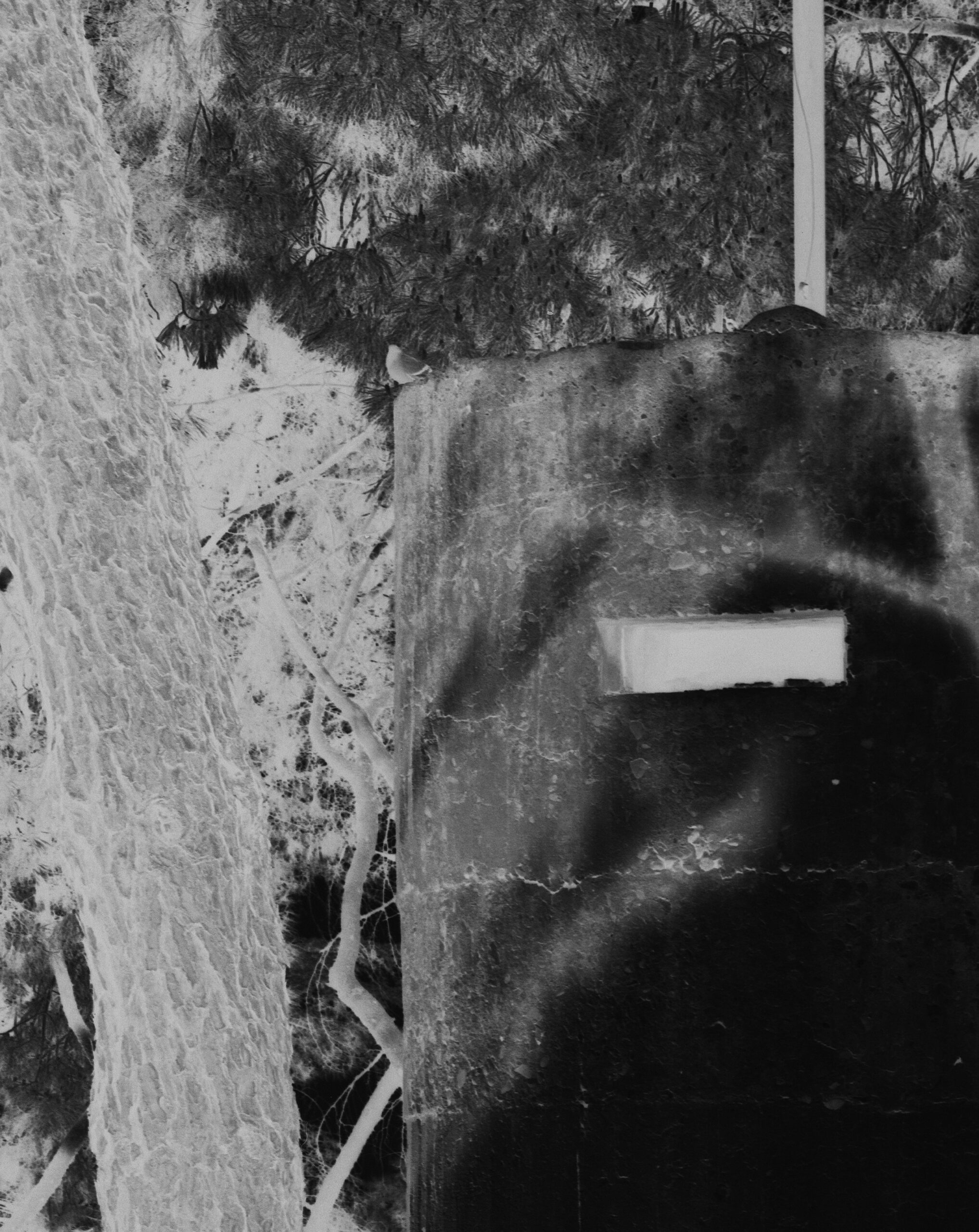
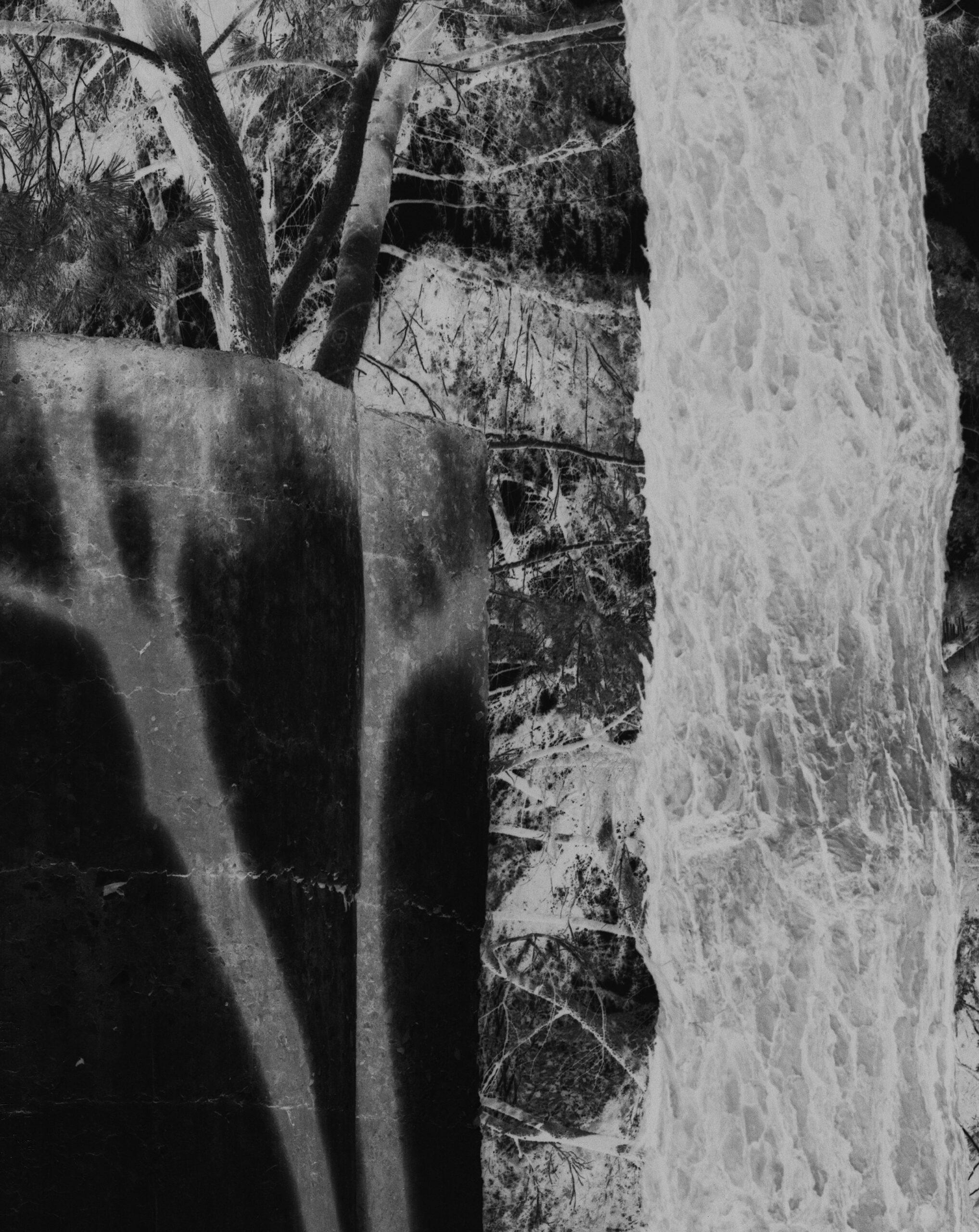
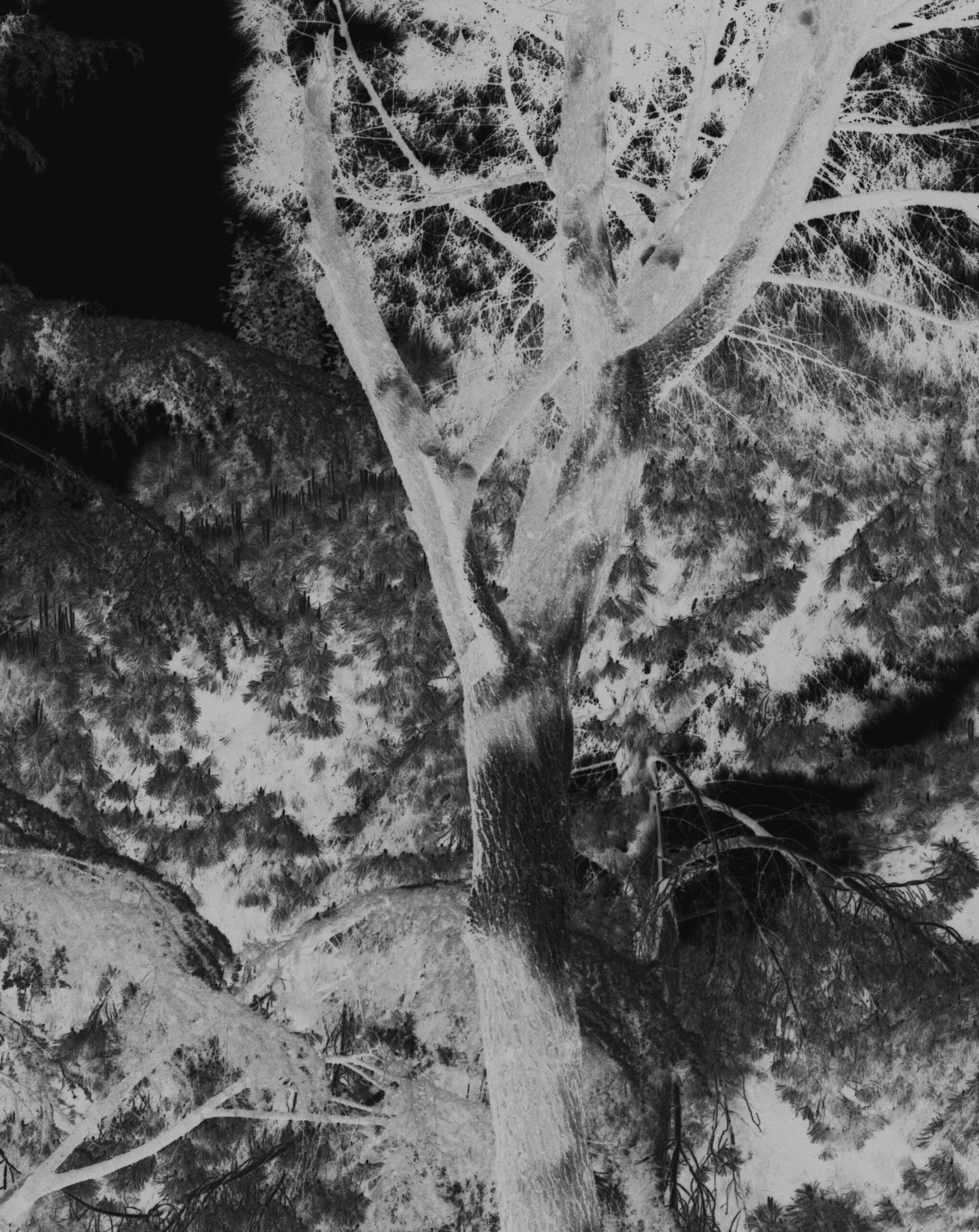
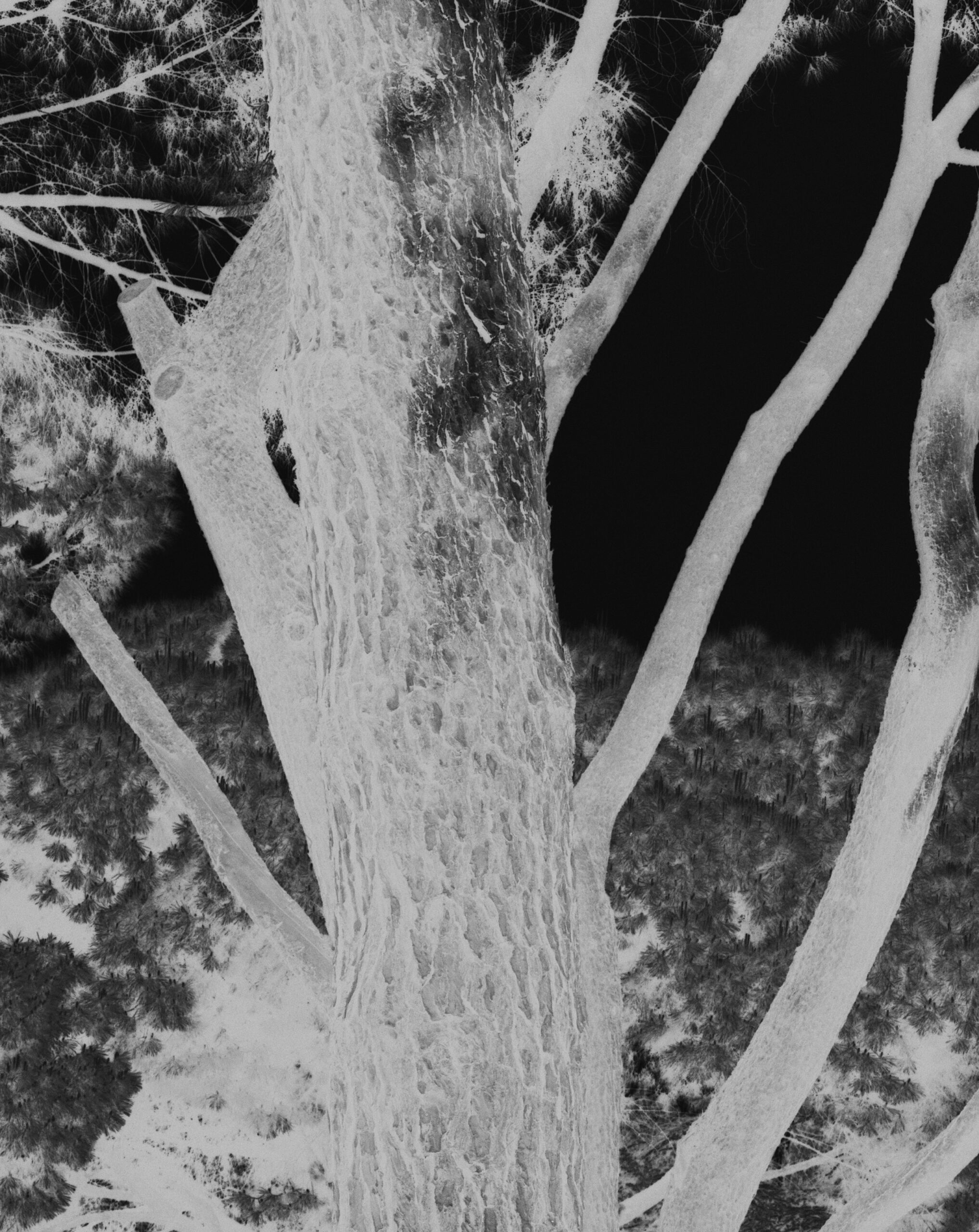
V središču ustvarjalnega dela Primoža Bizjaka, mednarodno uveljavljenega fotografa, je raziskovanje krajine, ki se v času nenehno spreminja bodisi zaradi človekove prisotnosti bodisi zaradi delovanja same narave. Njegov pogled pritegnejo zlasti mejna območja in kraji, ki so zaznamovani s kompleksno, pogosto travmatično zgodovino. Zanimajo ga zapuščeni prostori, ki so izgubili prvotno namembnost ali so v procesu arhitekturne/urbanistične preobrazbe. Prikazuje pa tudi grobe človekove posege v naravno okolje in samoniklost narave, ki postopoma briše sledove človeške dominacije v prostoru.
Na tokratni razstavi Bizjak predstavlja eno samo fotografijo – črno-beli negativ, ki se v galerijskem prostoru razgrne v monumentalni poliptih, sestavljen iz več kot sto lasersko natisnjenih analognih fotografij velikega formata. Delo se vsebinsko navezuje na travmatično zgodovino španske državljanske vojne, hkrati pa vsebuje izrazito intimno noto: prikazuje namreč fašistični bunker iz obdobja med letoma 1936 in 1939, ki stoji v isti madridski četrti kot akademija, na kateri je avtor študiral. V središču njegovega zanimanja je tako ponovno zapuščena arhitektura, toda tokrat jo dojamemo predvsem kot kraj spomina – mračno sled preteklosti, ki vztraja sredi narave: betonska struktura bunkerja se namreč v negativu spremeni v temno gmoto, prepredeno s svetlimi sencami dreves.
At the heart of the art practice of internationally established photographer Primož Bizjak lies an exploration of the landscape as it continually changes over time, whether due to human presence or the workings of nature itself. His gaze is particularly drawn to border areas and places marked by a complex, often traumatic history. He is interested in abandoned spaces that have lost their original purpose or are undergoing architectural or urban transformation. But he also portrays the harsh impact of human intervention on the natural environment and the self-regenerative power of nature, which gradually erases the traces of human dominance in the landscape.
In the exhibition at hand, Bizjak presents a single photograph – a black-and-white negative that unfolds across the gallery space as a monumental polyptych composed of more than one hundred large-format, laser-printed analogue photographs. In terms of content, the work refers to the traumatic history of the Spanish Civil War, while also retaining a distinctly intimate note: it depicts a fascist bunker from the period between 1936 and 1939, located in the same Madrid neighbourhood as the academy where Bizjak studied. Abandoned architecture is once again at the centre of his interest, but this time we perceive it primarily as a site of memory – a sombre trace of the past that persists amid nature: in its negative, the bunker’s concrete structure is transformed into a dark mass threaded with the pale shadows of trees.